







Search Results for: three cups in a triangle
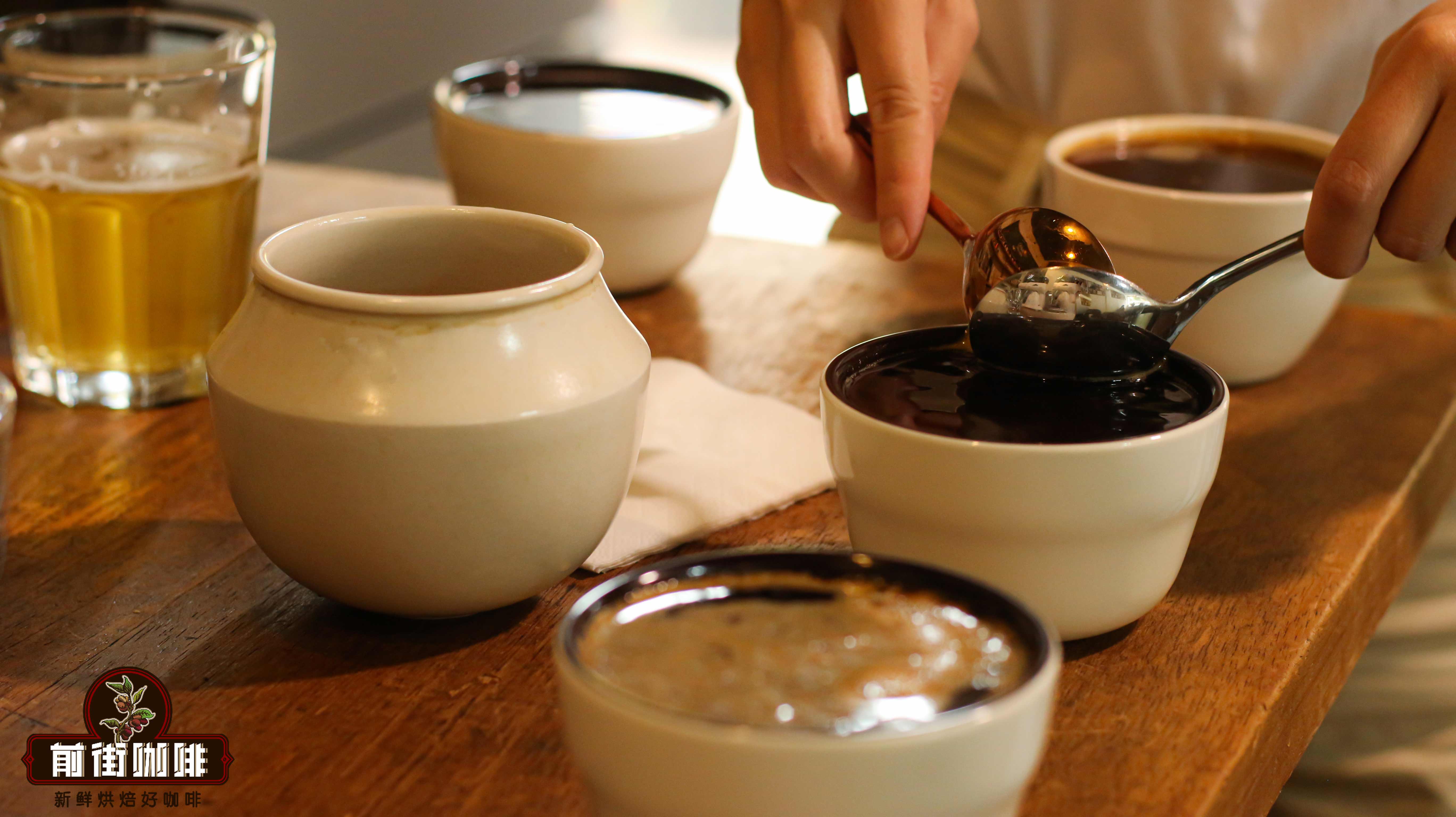
What exactly is the difference between cupping and triangle testing? A comprehensive analysis from origins and standard procedures to sensory testing
Cupping is a common method used in the coffee industry to evaluate bean quality, but why not use pour-over instead? This question takes us back to the origins of cupping. Cupping originated in the 1980s in the American coffee trade; in order to quickly, conveniently, and with minimal human intervention test large batches of coffee beans, immersion extraction came into being. Today cupping is widely used in competitions, appraisal, and research. This article will introduce in detail the standard parameters and complete process of cupping, including grinding, pouring water, breaking the crust, skimming, and tasting, and will also explain the definition of triangle cupping and how it differs from regular cupping. Front Street Coffee will also share a method for easily doing cupping at home to help you improve your tasting ability. [more…]
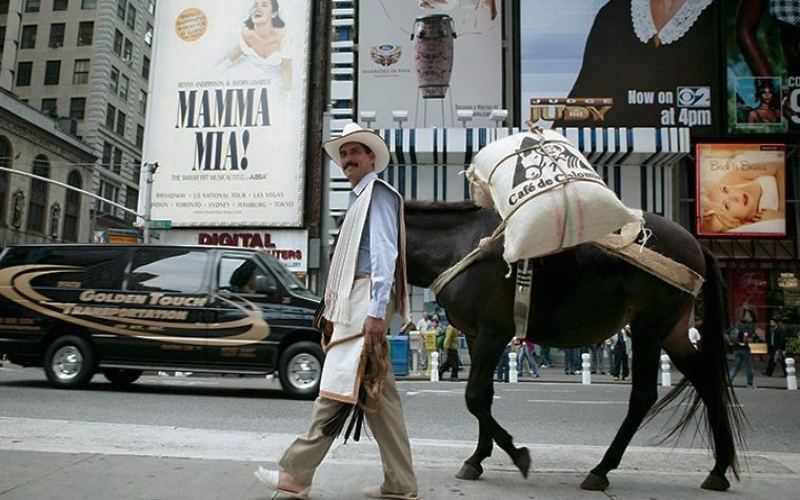
A Complete Analysis of Colombian Coffee Regions, Flavors, and Variety Grading: From the MAM Golden Triangle to Huila and Cauca
Colombia, with the advantageous terrain of the Andes Mountains and diverse climates, has become one of the world's most important producers of quality coffee. From the classic MAM Coffee Triangle to Santander in the north and Huila and Cauca in the south, each region presents a distinctly different flavor profile due to differences in altitude, temperature variation, and microclimate. This article systematically reviews the terroir characteristics of Colombia's main coffee-producing regions, the origins and performance of six major cultivated varieties, green bean grading standards, and the effects of processing methods such as washed, anaerobic natural, and anaerobic enzyme-washed on flavor. It also combines Front Street Coffee's bean list products such as Rose Valley, Huila everyday beans, and Huayueye to provide specific brewing parameters and flavor descriptions, helping coffee enthusiasts fully understand the diverse charm of Colombian coffee. [more…]
An Analysis of the Differences Between Americano, Long Black, and Lungo Coffee: What Espresso Beans Should Be Chosen for Making Americano?
In coffee shops, Americano, Long Black, and Lungo are often lumped together, but the three have essential differences in extraction method and taste performance. From the perspective of Front Street, this article sorts out the historical origins and brewing evolution of the Americano, compares the unique cup-order handling of the Long Black, and reexamines the definition of Lungo with the help of extraction yield theory. At the same time, the article also explores why espresso beans are mainly blends, analyzing the impossible triangle of price, stability, and flavor composition, helping coffee lovers understand these three black coffees more clearly and providing bean selection ideas for making Americano in daily life. [more…]
Colombian Coffee Regions and Specialty Bean Grading: A Flavor Analysis from Medellín to Nariño
Colombian coffee is renowned worldwide for its balanced, smooth taste and rich aroma, with the three cities of Medellín, Armenia, and Manizales together forming the famous "Coffee Triangle." For Front Street Coffee's Colombian offerings, the Medellín growing region is the top recommendation, with plump beans, moderate acidity, and excellent balance. Colombian coffee beans are mostly Coffea arabica, hand-picked and washed-processed, and after medium roasting they present a light, silky flavor, earning them the title "green gold." This article will walk you through Colombian coffee's varieties and grades, its main growing regions, and Front Street's recommendations, and will explain the difference between Supremo and Excelso, as well as the Narino Supremo coffee beans exclusively purchased by Starbucks. [more…]

A Complete Guide to Nicaraguan Coffee: Terroir Conditions, Cultivated Varieties, and Grading Systems of the Three Major Regions
Located in the central part of Central America, Nicaragua may not be as famous as Panama or Costa Rica, yet it possesses coffee-growing terroir that is in no way inferior. The country's north-central highlands, eastern coastal plains, and western coastal lowlands form diverse microclimates, nurturing three core producing regions: Jinotega, Matagalpa, and Nueva Segovia, with Caturra and Bourbon as the main cultivated varieties. This article will systematically outline Nicaragua's geographical and climatic characteristics, the elevation and harvest details of each producing region, and introduce its coffee grading system, helping coffee enthusiasts gain a comprehensive understanding of the coffee landscape of this promising Central American origin country. [more…]
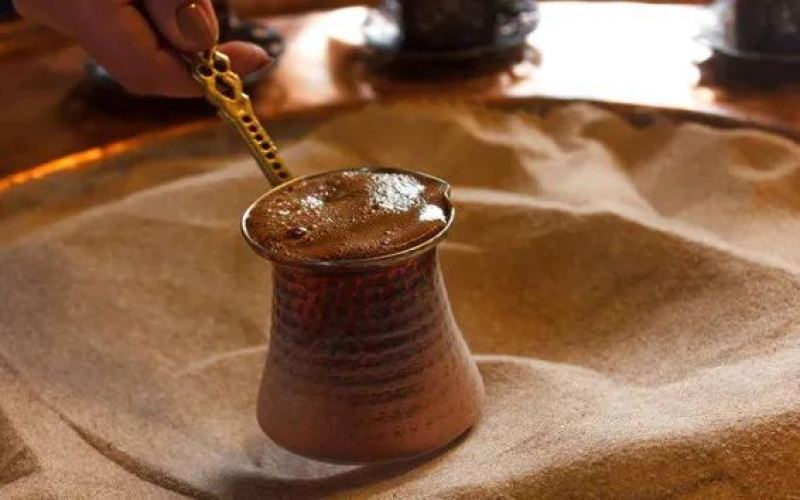
Why Isn't Turkish Coffee Filtered? A Complete Guide to the Meanings of Fortune-Telling Patterns and Their Cultural Origins
Turkish coffee is famous for its unique brewing method and rich cultural flavor. It does not use filter paper; it is drunk together with the grounds and liquid, and is made by repeatedly boiling three times in hot sand. Passed down from the Ottoman Empire to the present day, this coffee is not only a beverage but also carries the tradition of fortune-telling. This article will guide you through the historical origins, brewing principles, and steps of Turkish coffee, and provide a detailed analysis of the meanings of common patterns in coffee ground fortune-telling, such as the full moon, half moon, heart shape, and ring, allowing you to fully appreciate the charm of this ancient coffee culture. [more…]
Analysis of Flavor Differences Between Colombian and Brazilian Coffee Beans: Growing Regions, Grading Characteristics, and Taste Comparison
Colombia and Brazil are both pillars of the Central and South American coffee-growing regions, yet the two countries differ considerably in their growing conditions, flavor profiles, and market positioning. Colombia, with its dual ocean ports on the Atlantic and Pacific, its three Cordillera mountain ranges creating microclimates, and its high-altitude volcanic ash soils, produces Arabica coffees with bright acidity and refined flavors. Brazil, by contrast, with its flat terrain, lower elevations, and Bourbon varieties as its foundation, offers a balanced cup with notes of nuts and chocolate and a heavy body. This article systematically compares the differences between the coffee beans of the two countries from the perspectives of growing region distribution, cultivation environment, varieties and processing, and cupping flavors, and concludes with specific bean recommendations from Front Street Coffee. [more…]
A Comprehensive Analysis of Colombian Coffee Bean Varieties and the Flavor Characteristics of the Cauca Region
Colombian coffee is globally renowned for being balanced and smooth, and in recent years the Cauca region has attracted considerable attention. This article will outline Colombia's main coffee varieties and grading system, analyze the flavor characteristics of classic regions such as Medellín, Armenia, and Manizales, and take a deeper look at the unique terroir and cupping performance of the Cauca region. At the same time, the article will also mention Front Street Coffee's bean selection recommendations for Colombian coffee, helping enthusiasts understand the diverse charm of this major South American coffee country in a more systematic way. [more…]
A Detailed Explanation of the Eight-Step Brewing Formula for Chaoshan Gongfu Tea: Why Only Three Cups Are Placed on the Tea Table
Chaoshan Gongfu Tea is renowned for its rich aroma and mellow body, emphasizing a high tea-to-water ratio and quick pours—each infusion lasting no more than ten seconds, with only three rounds before the leaves are discarded. Three 25ml thin-walled small cups are always arranged on the tea table in a "品" (pin) shape, which is both a tradition and a piece of practical wisdom. This article outlines the complete brewing steps of Chaoshan Gongfu Tea: selecting tea, preparing water, adding leaves, rinsing the pot, skimming foam, washing the tea, pouring into cups, and sipping, while explaining the reasoning behind each step. It also covers details such as unglazed Chaozhou teapots and charcoal-brazier roasting, and mentions related products from the Front Street Coffee brand, offering coffee enthusiasts a cross-disciplinary glimpse into this Eastern brewing system. [more…]
An Analysis of the SCA and Q Grader Certification Systems: Exam Content and a Practical Guide for International Baristas
Want to break into the coffee industry—do you really need to spend money on certifications? The two major international credentials, SCA and Q Grader, are often discussed. SCA uses a credit-accumulation system covering barista skills, pour-over, roasting, sensory, and green coffee, among other areas, allowing students to choose modules as needed; Q Grader, launched by CQI, focuses on green coffee quality evaluation, requiring candidates to pass twenty tests within six days, with the certificate valid for three years. This article breaks down the course structure, exam content, fees, and target audiences of the two types of certification to help you decide which path better suits your career plans. [more…]

Manner Barista Custom Latte Art Goes Viral Online: Analyzing the Service Appeal of Affordable Specialty Coffee
Manner Coffee has continuously gained a following in the coffee community thanks to its reputation for being tasty, affordable, and highly cost-effective. Recently, baristas' fancy latte art skills have sparked heated discussions online. From basic hearts and tulips to animals like rabbits, squirrels, and unicorns, customers' custom requests are being fulfilled one by one, and some even bring their own bowls to "make" coffee and request latte art. This model, combining approachable prices with specialty quality, along with baristas' considerate and adorable service, has quickly made Manner popular among young consumers and white-collar workers. This article takes you to appreciate those highly recognizable exclusive latte art creations and explains how Manner influences the domestic coffee market with its "affordable specialty" philosophy. [more…]
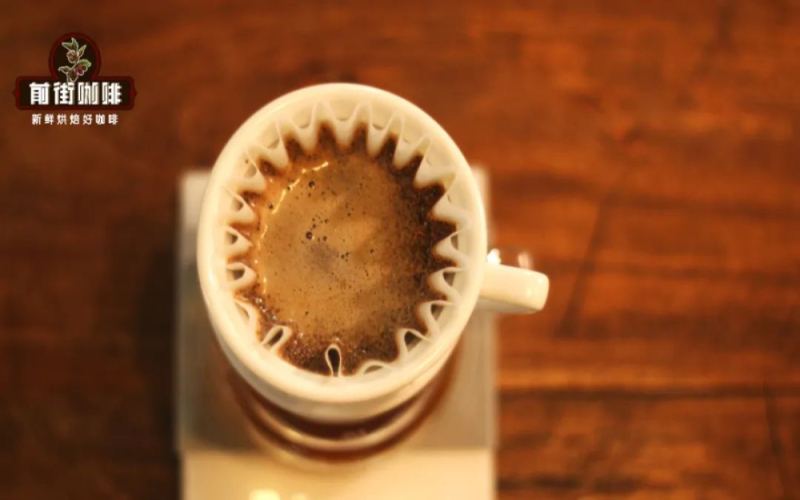
Why Is the Flat-Bottom Dripper Considered Beginner-Friendly? A Full Breakdown of the Cake Filter Cup Structure and Compatible Brewing Methods
When it comes to choosing a dripper, there is a common consensus: flat-bottom drippers offer a larger margin for error and are friendlier to those just getting into pour-over. Front Street Coffee has also mentioned in several articles that the flat-bottom structure has a natural advantage when it comes to even extraction. So what mechanism actually makes this possible? This article will clarify the differences between flat-bottom and conical drippers from the perspectives of coffee bed shape, rib design, and drainage hole layout. With the cake dripper as the main thread, it will also introduce the approaches of different schools such as Melitta 101, Lili, Ice Eye B75, Torch Donut, and April Brewer, helping you understand what kind of brewing approach flat-bottom drippers are suited to, and the role they play in the "fine grind, fast brew" trend. [more…]

What is Lungo coffee? How does it differ from Americano in terms of extraction process and taste?
Americano coffee has long been deeply ingrained in people's minds, especially iced Americano. But have you ever heard of Lungo coffee? It also belongs to the category of Italian-style black coffee, evolved from espresso, yet it has a completely different extraction logic from Americano. This article will systematically sort out the differences between Americano and Lungo from the perspectives of origin, preparation method, volume, and flavor, and introduce the blending ideas and applicable scenarios of several Front Street Coffee espresso beans, helping coffee enthusiasts more clearly understand the essential differences between these two beverages. [more…]
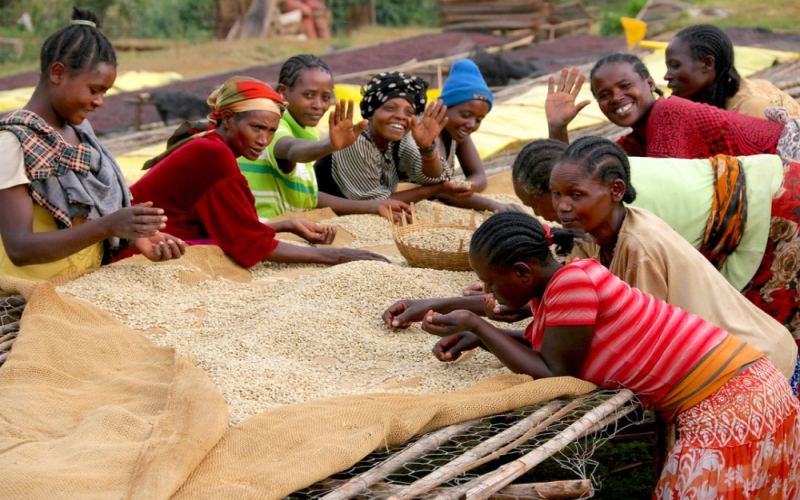
The Heart of Africa, Burundi: A Full Analysis of Specialty Coffee Regions, Varieties, Flavors, and Export Prices
In Africa's coffee landscape, besides Ethiopia and Kenya, there is another landlocked country known as the "Heart of Africa"—Burundi. With high altitudes, fertile volcanic soil, and ample rainfall, it offers exceptional conditions for growing specialty coffee. Burundi's coffee is primarily washed, and is especially famed for its double fermentation process, which creates a flavor profile that balances gentle and intense acidity with prominent sweetness. This article will systematically introduce Burundi's geography and climate, its five major coffee regions, processing methods, and variety flavor characteristics, and share Front Street Coffee's roasting and cupping experience with Burundian beans, helping coffee enthusiasts gain a comprehensive understanding of this niche yet highly promising producing country. [more…]
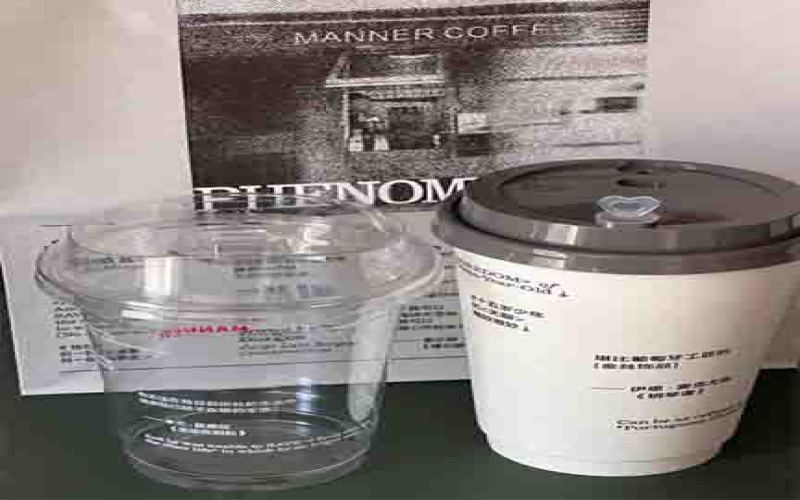
Manner collaborates with "Weekly" and Thom Browne to launch artistic cups; netizens have polarized reactions: some are fans, others barely recognize it.
Manner recently teamed up with the fashion magazine Fantastic Man and the fashion brand Thom Browne to launch a three-way collaboration featuring a "Tiramisu Latte" and a co-branded canvas tote bag. However, what truly sparked social media discussion was not the drink itself, but the themed cups dressed in a literary guise. The cups are randomly printed with literary excerpts from writers such as Borges, Ian McEwan, and Milan Kundera. The hot and cold drink cups respectively present visual effects of black text on a white background and white text on a transparent background, exuding a strong literary and artistic vibe. Some people gave up the habit of bringing their own cups in order to collect the cups, spending an extra 5 yuan on a set meal; some consumers also said that because the brand logo was shrunk into small print and mixed in among the quotations, they almost failed to recognize Manner takeout. The co-branded packaging quickly sold out, and some stores are already out of stock. The official side said it is urgently restocking. Front Street Coffee continues to follow coffee industry developments and brand collaboration trends, bringing you timely reports. [more…]

Luckin Coffee and Yihetang announced collaborations with Dream of the Red Chamber on the same day, the marketing battle behind the brand collision.
After Luckin Coffee faced dissatisfaction over the reduced 9.9 yuan promotion, it launched a cherry blossom season limited edition and a collaboration with the Ullens Center for Contemporary Art, but the market response was lukewarm. Subsequently, Luckin officially announced a collaboration with the national dance drama "Dream of the Red Chamber," sparking heated discussions among netizens. Unexpectedly, the tea beverage chain brand Yihe Tang quickly followed up, releasing a poster with an almost identical composition and announcing a collaboration with the original "Dream of the Red Chamber." The two major brands' collaborations clashed, and netizens jokingly referred to it as the rivalry between Bao and Dai. Yihe Tang even interacted in Luckin's comment section using Lin Daiyu's lines, prompting calls for Chayan Yuese. Behind this marketing battle, who ultimately comes out on top? [more…]
What Is Lungo Coffee? An Analysis of Its Differences from Espresso and Americano, and Its Brewing Characteristics
Many people are familiar with Americano, yet feel unfamiliar with Lungo coffee. Lungo, along with Espresso and Americano, belongs to the Italian-style black coffee family, but they differ in extraction method, concentration, volume, and caffeine content. This article will start from the Italian meaning of Lungo to clearly explain its core differences from Espresso, Americano, and Long Black, including extraction time, liquid volume, taste performance, and suitable consumers. At the same time, combined with Front Street Coffee's Italian-style blend bean products, it introduces the ideas for choosing coffee beans, blending logic, and freshness recommendations when making beverages such as Lungo and Americano, helping coffee enthusiasts gain a more complete understanding of this "stretched version of espresso." [more…]
Colombian Supremo Specialty Coffee Bean Analysis: A Complete Guide from Origin and Variety to Brewing Flavor
Colombia ranks third in global coffee production, and its favorable growing environment of low latitude and high altitude produces coffee beans of outstanding quality. Drawing on Front Street Coffee's espresso blending experience, this article sorts out the flavor differences between Brazilian and Colombian coffee, offers an in-depth introduction to the evolution of the Colombian Caturra and Colombian varieties, and explains how Castillo became today's dominant variety. It also details the screen size standards and grading system of the Supremo grade, and includes the three-stage brewing parameters and flavor description for Front Street Cherry Castillo coffee beans, providing coffee lovers with a complete framework for understanding Colombian specialty coffee. [more…]
American Coffee vs. Lungo: A Comparative Analysis of Extraction Methods, Strength and Taste, and Key Points for Choosing Espresso Beans
American coffee and Lungo both belong to the Italian-style black coffee system, and both are based on espresso, but their extraction logic is completely different. American coffee is made by diluting espresso with water, while Lungo achieves a "stretched" effect by extending the extraction time and increasing the amount of water. The former has a flexible sequence, and the crema may be kept or dispersed, while the latter changes the flow rate, doubles the volume, has higher caffeine, and a softer taste. This article will clarify the specific differences between the two in operation, volume, and flavor, and explain why Italian-style blend beans have become the first choice for making this type of coffee, while also introducing the positioning of Front Street Coffee's four blend beans and its fresh roasting philosophy. [more…]
Rum Barrel Fermented Coffee Flavor Analysis: Colombia San Jose Estate Processing Method and Pour-Over Parameters
Winey coffees have attracted much attention in recent years. Front Street Coffee has three beans with winey notes, among which Sherry and Lychee Orchid are well known, but the origin of barrel fermentation actually lies in the San Jose Estate in Colombia. This article provides a complete breakdown of Front Street Colombia Rum Barrel Fermented Coffee, from the producing region, estate story, and processing method to roasting and brewing. The San Jose Estate is located in the Caldas region at an altitude of 1750 meters, uses the Castillo variety, and after meticulous washing, is placed in aged rum oak barrels for low-temperature fermentation for three months. The cup profile presents notes of rum truffle, rum, tropical fruit, and maple syrup. The article also provides V60 staged extraction parameters and measured taste results, making it suitable for coffee enthusiasts who want to understand the principles of barrel fermentation and brewing methods. [more…]